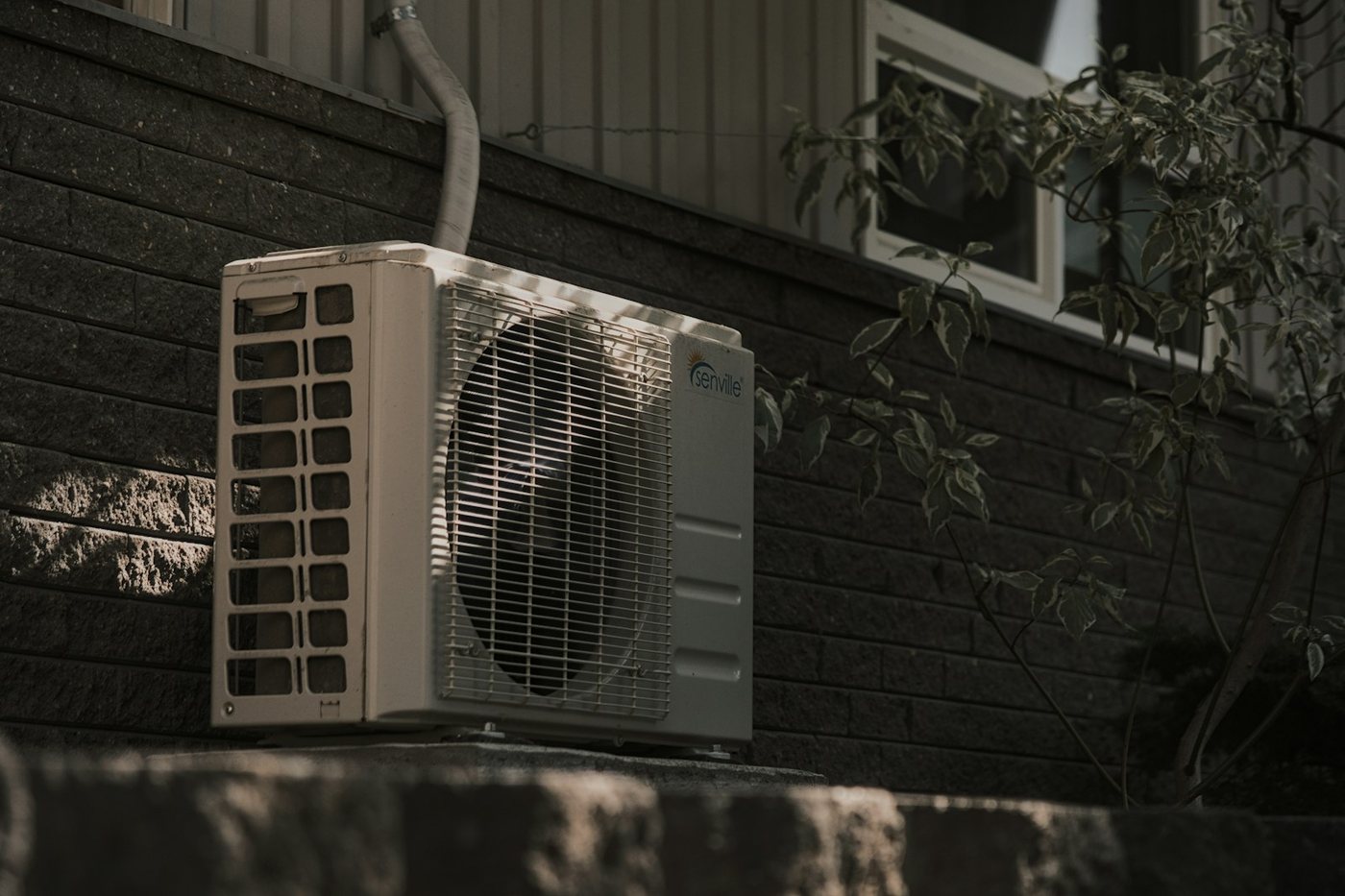
What an HVAC RAMS has to cover
Air conditioning and HVAC work sits across several high-risk disciplines at once — hot works when brazing, refrigerant handling under the F-gas rules, work at height for wall and rooftop units, lifting for condensers and chillers, and electrical for the connections and commissioning. Because of that, reviewers check the competence boundaries as closely as the controls: who is qualified for what, and where each person's work starts and ends. Build the RAMS from the task — split install, refrigerant pipework, F-gas charging, ductwork, rooftop plant — and the right hazards follow.
F-gas and refrigerant: keep the legal line clear
Refrigerant work is governed by the F-gas regulations, and this is statutory competence, not something a RAMS can substitute for. Anyone who uses or services equipment containing F gases must hold recognised qualifications, and their employer must hold company certification — name both in the RAMS. Refrigerant must never be vented: releasing F gas to the atmosphere is prohibited, so before any decommissioning or strip-out it has to be recovered by a certified operative and sent for reclaim or recycling.
More detail
The physical hazards follow the gas. In an enclosed plant room a refrigerant leak can displace oxygen, so treat poorly ventilated plant rooms with confined-space awareness — ventilation, gas detection and a check of oxygen levels. Some modern refrigerants (for example R32) are mildly flammable, which interacts directly with the brazing below.
Hot works, height and lifting
Brazing refrigerant pipework is hot works near combustibles, so it needs a hot-work permit, combustibles cleared or protected, a fire extinguisher at the work position and a fire watch that continues after the torch goes cold. Split indoor and outdoor units are usually installed at height — name the access method and its inspection. Rooftop condensers and chillers are a lifting operation: a lift plan, an appointed person and LOLER-compliant accessories, not "craned into position".
HVAC & Air Conditioning RAMS FAQs
Do HVAC engineers need F-gas certification?
Yes. Anyone who uses or services equipment containing F gases must hold recognised qualifications, and their employer must hold company certification — it is a statutory requirement enforced by the environmental regulator, separate from anything a RAMS covers. Name both the person's qualification and the company certification in the document.
Can we vent old refrigerant when stripping out a system?
No. Releasing F gas to the atmosphere is prohibited. Before decommissioning or removing existing plant, the refrigerant has to be recovered by a certified operative and sent for reclaim or recycling. Put the recovery step in the method statement.
Is brazing refrigerant pipework hot works?
Yes — naked flame near combustibles. It needs a hot-work permit, the area cleared or protected, an extinguisher at the work position and a fire watch after you finish. Most brazing-related fires are found after the engineer has left.
How should rooftop condenser lifts be covered?
As a lifting operation, not a footnote. Reviewers expect a lift plan, an appointed person, LOLER-rated slings and shackles, an exclusion zone below, and wind limits — the same rigour as any crane lift.